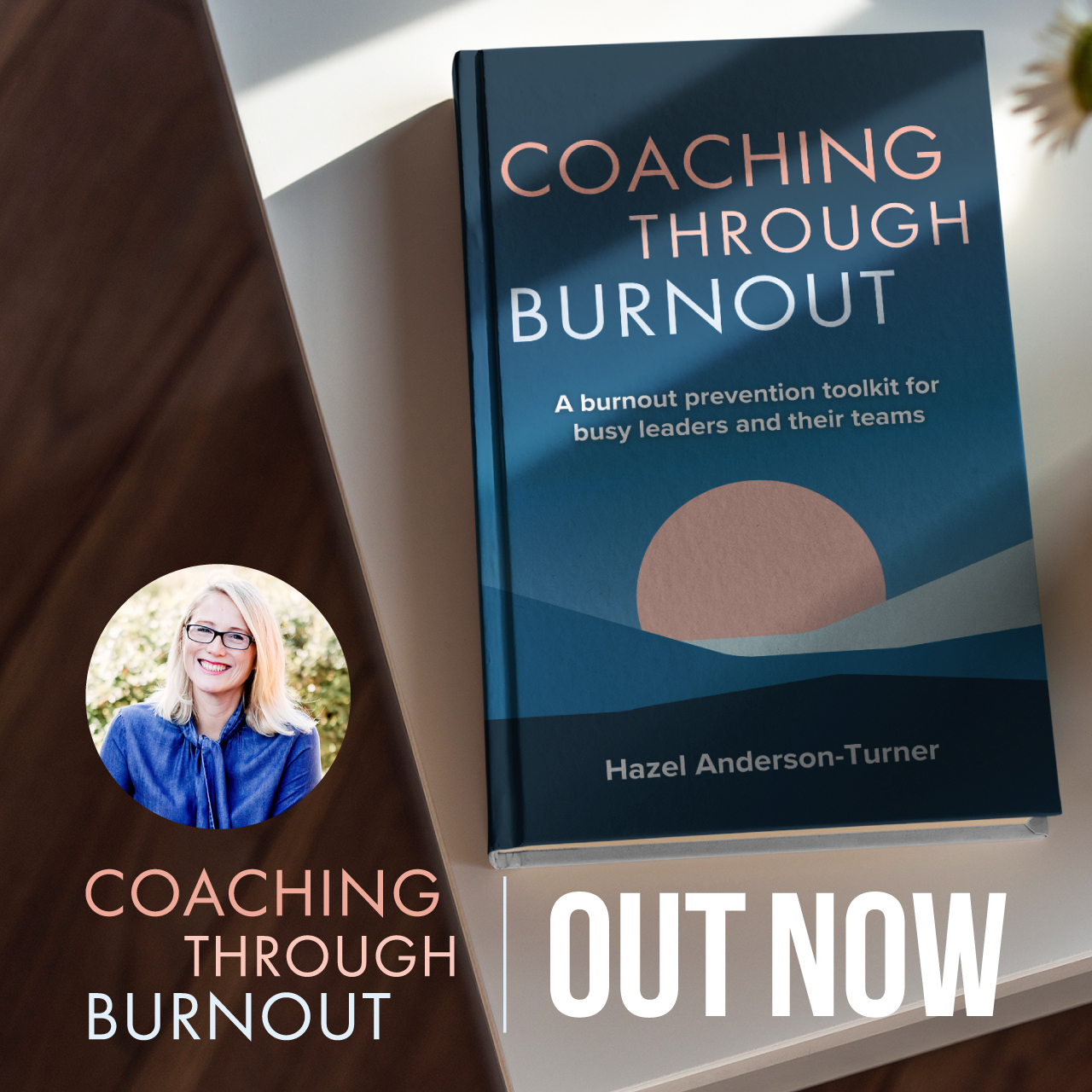
Inspired by a talk I gave at the University of Chichester Coaching Psychology Conference last month, which was based on the number of clients from charities and the NHS, who have been coming to me not for burnout prevention but because their mind and body have reached the YOU MUST STOP point. I wanted to write something that captures what I say to people who are in the first few days of stepping away from work, desperately want to recover, and aren’t quite sure where to start.
My coaching has a different feel when I work with a client in this space. Their minds are exhausted, and they need more practical approach, where I am sat with them in it, looking for small things they can change, rather embarking on a thinking adventure together.
Many of the things I will mention may feel obvious, and yet, when we are in the grips of burn out, even the most obvious things can feel out of grasp. With exhausted minds we need to allow ourselves to take small and simple steps to truly help ourselves, enabling us to step off a cycling of coping and trying to survive that has led us to a ‘pause point’ in our lives.
Here are five things I will talk to client about in those first days and weeks.
1) Reach out for support for your mental health.
Firstly, I ensure that my client has accessed the necessary support they need to help them with the mental health challenges that come with reaching crisis point. Burnout is typified by exhaustion, detachment and feeling like you have failed in some way. It makes sense that when you reach the point where your mind and body have nothing left to give, that you need to speak to your GP and access support from talking therapy. You have probably been pushing feelings down and battling through for a long time. Having space with a professional to process your feelings is incredibly important. I also often find that getting lost in overwork is a coping mechanism for other challenges that people are facing or have been buried from their past, which makes speaking to a professional who can support you to process in a safe way is so important.

Image credit: priscilla-du-preez-7ilpPBxTavU-unsplash
What this has looked like for my clients:
- Phoning their company’s Employee Assistant line.
- Visiting their GP and receiving a referral for counselling and/or medication.
- Starting to work with a therapist they have worked with before.
I will also add that the GP contact is also important because, as well as workplace stress, there may be other things going on physiologically like menopause, vitamin deficiencies or illness that could be contributing to the way someone is feeling.
2) Take a mental break from work
Research shows the importance of psychological detachment from work, particularly when we are recovering from burnout. You know the drill, switch off the emails, get present, go out in nature. Helping your mind take a break from the stimulation of the modern world supports you to actively manage the cognitive load that has built up. I speak to clients about having some space where they aren’t needed by anyone, where they can just breathe. When you are used to being on the go the whole time, this can feel uncomfortable so often it’s about building in small spaces, using apps like Insight Timer if guided meditation appeals and just consciously slowing the pace down.
What this has looked like for my clients:
- A proper break from work, not checking emails or taking calls.
- Re-engaging with hobbies to give their mind something else to focus on.
- Catching up on sleep and rest.
- Visiting the coast, changing their routine and their surroundings for a period.

Image credit: val-vesa-k16uw3hXkms-unsplash.jpg
3) Go back to basics
When we are busy surviving our own needs can become neglected. There is such a deep connection between our physical and mental wellbeing and spending some time in this period to reconnect with activities and habits that can become neglected when we are in ‘survival mode’ can be invaluable in supporting us to start running to feeling like ourselves again. I often use a tool called the Wellbeing Wheel, which helps someone to make small manageable changes. You can find a copy with instructions on my website: https://hazelandersonturner.co.uk/wellbeing-wheel/
What this has looked like for my clients:
- Planning and preparing meals from scratch.
- Using an app to support good sleep hygiene.
- Going for a run with a friend.

Image credit: klara-kulikova-niC1s2kCids-unsplash.jpg
4) Develop your self-compassion
I have had a difficult relationship with my mind my whole life and, like many of my clients, my self-critical thoughts did not help me when I was trying to recover. Often clients talk to me about having thoughts about letting people down, that they must be weak and pathetic or there must be something fundamentally wrong with them. Learning how to move from a place of either treating these thoughts as truth or spending a lot of energy trying to push them away, to a more compassionate relationship with ourselves, is something that will not only help during the burnout recovery period but also in when an individual starts to think about returning to work.
What this has looked like for my clients:
- Spending quite time writing down their feelings.
- Catching themselves being self-critical and changing the narrative to sound more like something they would say to a friend.

Image: dave-lowe-vI9wPJ8L5MA-unsplash.jpg
5) Connect with what is important
When we are in survival mode, our mind’s focus on how we just make it through, it isn’t bothered about the quality of life we are living and whether it is meaningful to us. Once a client is starting to come out of the initial fog of burnout, I will work with them to identify their values. Our values are the personal qualities that are most important to us, the ways of being which together, make our own brand of what a meaningful life is.
With their core values clarified we can then start to look at the things they would actively like to increase in their life to help it to feel more rounded and meaningful.
On my website I have a values worksheet which you can use if you would like to explore your own values: https://hazelandersonturner.co.uk/wellbeing-wheel/
What this has looked like for my clients:
- Identifying a core value of fun and scheduling in fun activities with their partner.
- Remembering how much they used to enjoy crafts and starting to play with creating things in the evening.

Image credit: tanaphong-toochinda-WddCult7llk-unsplash.jpg
What’s next?
Once a client is in a place where they can think well and feels ready to think about their relationship to work, we will go on to work on developing their psychological flexibility, boundary setting skills and how to continue their healthy habits, enabling them to process stress and the emotional load they face.
When a person is feeling more like themselves, we can also focus more on their working environment, which we know has a major impact on whether they are likely to burnout again. As a coach I can’t change their environment directly, but I can help them get to a place where they can notice and act on what is in their power to change or influence and help them to prepare for the conversations they need to have.
If you or someone you know would benefit from working one-to-one then please message me at hazel@hazelandersonturner.co.uk for an exploratory conversation about whether I am the right fit for you.